

On this page
A half-century has passed since humans last set foot on the Moon, a testament to both the extraordinary achievements of the Apollo missions and the challenges that have kept us grounded since then. While NASA has set ambitious goals to return to lunar soil, we delve into the reasons behind this lengthy hiatus, the potential benefits of revisiting the Moon, and the obstacles we face in getting there.
Why Haven’t We Returned to the Moon?
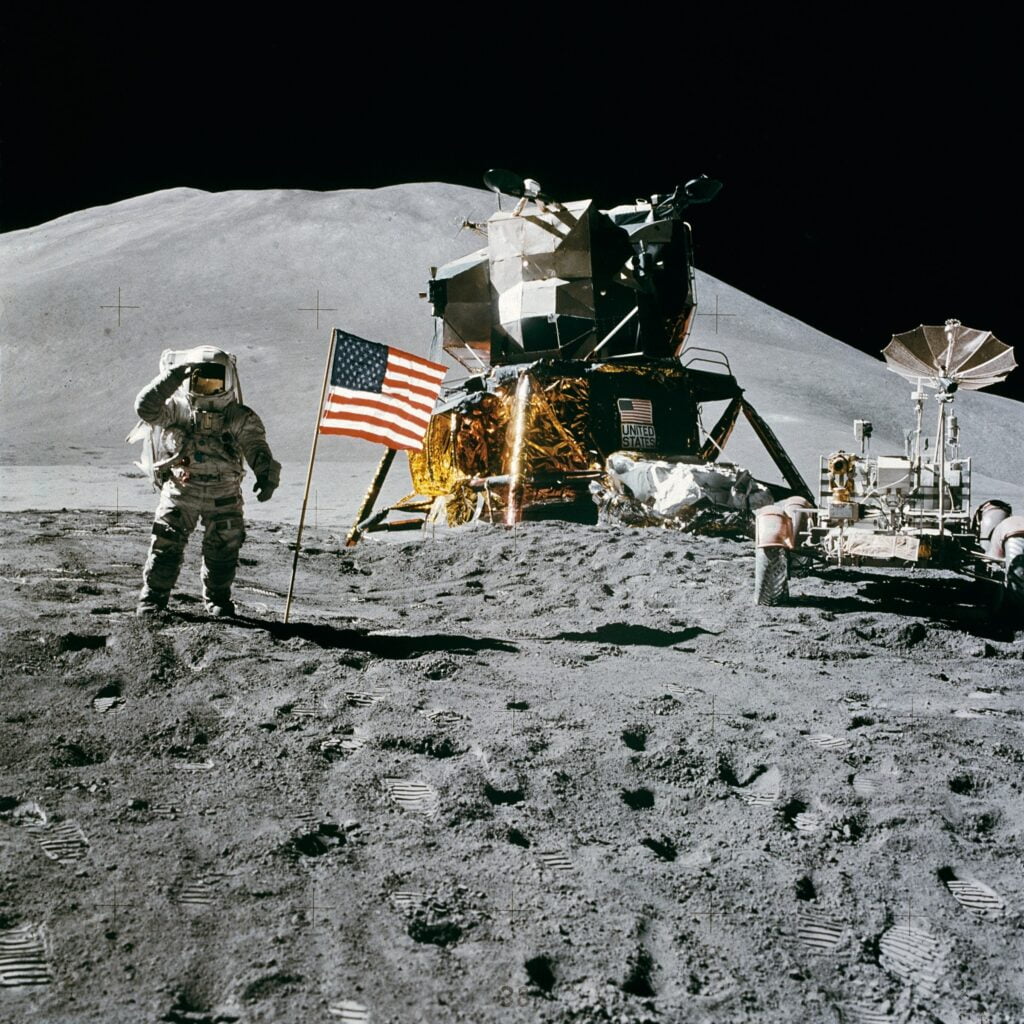
The last crewed mission to the Moon, Apollo 17, touched down in December 1972. Since then, the idea of sending humans back to our celestial neighbor has often been discussed but seldom realized. According to former NASA Administrator Jim Bridenstine, the major roadblock has been political risk and the associated costs. Bridenstine stated that “if it wasn’t for the political risk, we would be on the moon right now.” These missions require immense funding and public support, and political factors have often influenced their feasibility.
The Artemis Program: A Glimpse of Hope
Despite the hurdles, NASA’s Artemis program holds the promise of sending astronauts back to the Moon, possibly as early as 2025. This ambitious initiative aims to not only return to lunar exploration but also break barriers by including the first woman, Black astronaut, and Canadian to set foot on the lunar surface.
Why Return to the Moon?
There are compelling reasons to revisit the Moon beyond nostalgia. Establishing a permanent human presence on the Moon is viewed as the logical next step in our cosmic journey. It’s a mere three-day journey from Earth, making it an ideal testing ground for technologies and protocols before venturing deeper into space. As former astronaut Chris Hadfield noted, “We can afford to get it wrong and not kill everybody.” This sentiment underscores the safety and proximity of the Moon as a stepping stone for further exploration.
The Potential Benefits of a Lunar Base
A lunar base could serve as a hub for various scientific and practical endeavors:
- Fuel Depot for Deep-Space Missions: The Moon’s resources could be harnessed to create a fuel depot, reducing the cost and complexity of deep-space missions. Water ice present in lunar craters could be converted into hydrogen and oxygen for rocket propellants.
- Space Telescopes: The Moon’s lack of atmosphere makes it an ideal location for space telescopes. These instruments could provide unprecedented views of the cosmos, unlocking new discoveries about our universe.
- Mars Exploration: A lunar base could serve as a testing ground for technologies and life support systems essential for sustaining human life on Mars, paving the way for future Martian missions.
- Scientific Mysteries: Returning to the Moon can help answer lingering questions about Earth and the Moon’s formation. Studying lunar samples and conducting experiments on the lunar surface can deepen our understanding of these celestial bodies.
- Economic Opportunities: Beyond scientific endeavors, a thriving off-world economy could emerge, potentially centered around lunar space tourism and resource utilization.
In conclusion, the absence of human visits to the moon for the past half-century has been shaped by changing priorities, political risks, and financial considerations. However, with the Artemis program in motion and the moon’s potential as a launchpad for deep space exploration, we stand on the precipice of a new era of lunar exploration. The moon is not only a destination but also a gateway to the stars, offering us invaluable insights, technological advancements, and the possibility of a bustling lunar economy. As we look to the skies, we can’t help but wonder if the moon will once again inspire humanity to reach for the stars, fulfilling its destiny as a stepping stone to the cosmos.