Physical Address
304 North Cardinal St.
Dorchester Center, MA 02124

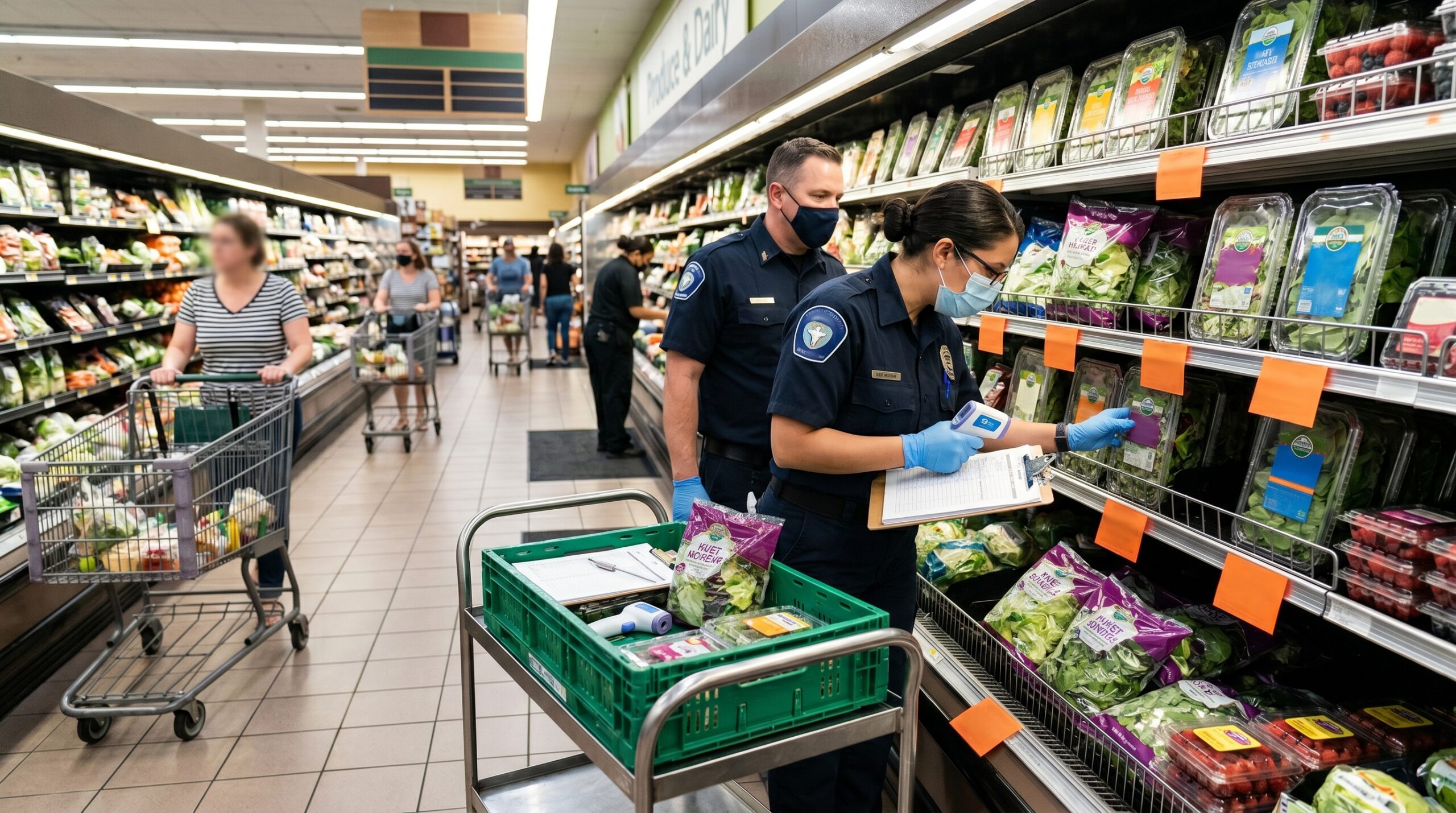
Food recalls happen more often than many Americans realize. Learn the 7 most common reasons food products get recalled in America and how to stay safe.
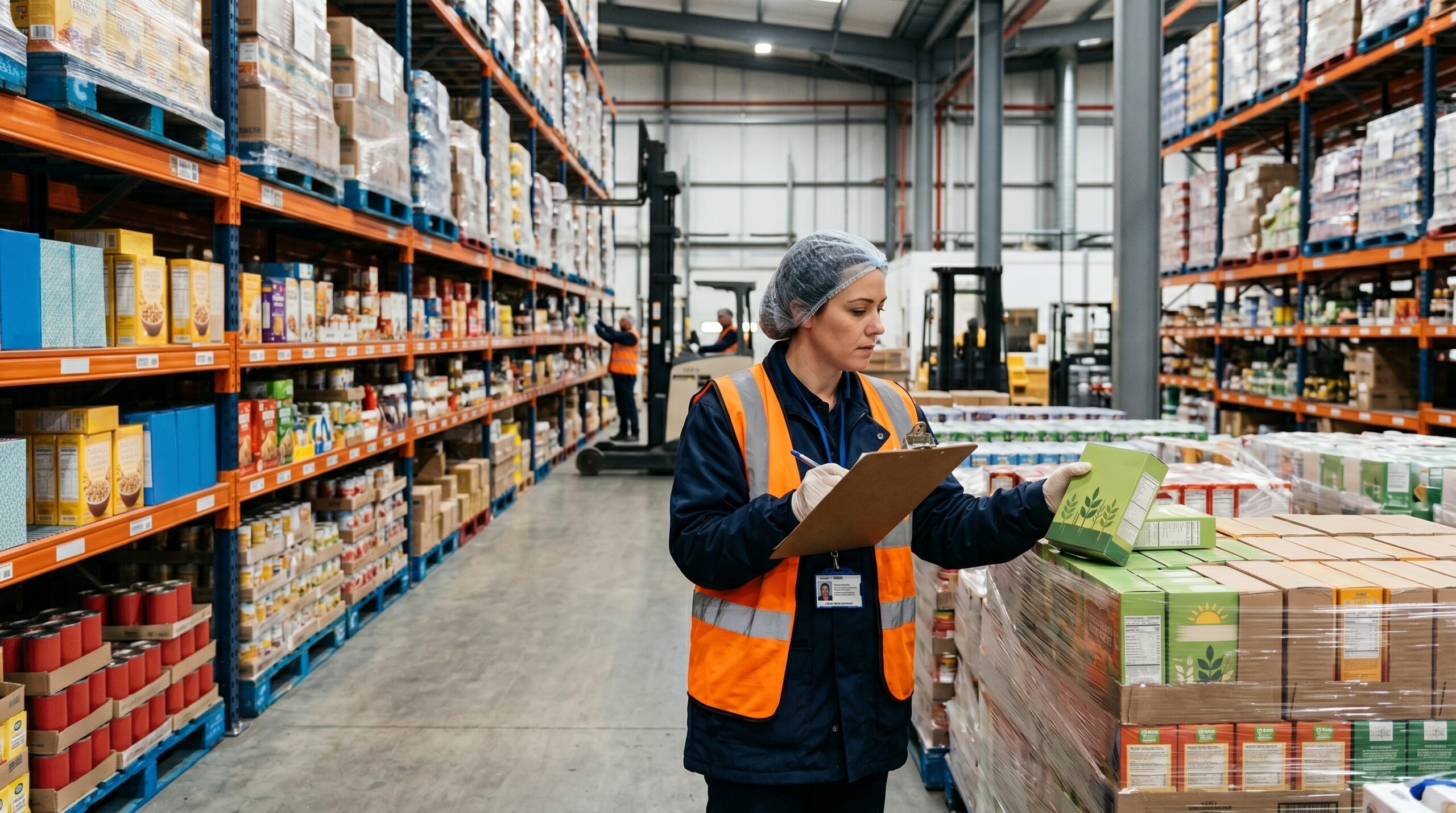
Most Americans assume food products on store shelves have already passed strict safety checks. While food safety standards in the United States are among the highest in the world, food recalls still occur regularly.
On this page
Every year, hundreds of food items are removed from store shelves due to contamination concerns, labeling errors, manufacturing mistakes, or other health risks.
Understanding why food products recalled in America occur can help consumers make informed decisions and respond quickly when recalls happen.
A food recall occurs when a manufacturer, distributor, or government agency determines that a product may pose a health risk to consumers.
Food recalls can be initiated by:
The goal is simple:
Protect consumers before more people become sick or injured.
One of the most common reasons food products recalled in America occur is bacterial contamination.
Dangerous bacteria may include:
These bacteria can cause serious illness, particularly among:
Many recalls involving vegetables, meat products, dairy items, and packaged foods stem from bacterial contamination. Read here.
Food allergies affect millions of Americans.
One small labeling mistake can become a serious health threat.
If a product contains an allergen that is not listed on the label, consumers may unknowingly consume it and experience severe reactions.
This is one of the fastest-growing reasons for food recalls in the United States.
Also read: Important NYC Beach Warning Signs Every Swimmer Should Understand
Consumers expect food products to be free from unexpected materials.
Unfortunately, manufacturing issues sometimes result in:
Foreign objects can cause:
When these risks are identified, recalls are often issued immediately.
Sometimes the food itself is safe, but the packaging contains incorrect information.
Even small labeling errors can create legal and health risks.
As a result, companies often choose to recall affected products.
Food recalls can also occur when products become contaminated with harmful chemicals.
Depending on the chemical involved, exposure may cause:
This type of recall typically receives significant media attention.
Food safety depends heavily on proper storage conditions.
Many foods require:
If food is stored incorrectly:
These situations often lead to precautionary recalls.
Even modern food production systems are not perfect.
Equipment failures and process errors can create safety concerns.
Companies often act proactively when production problems are discovered to protect consumers and avoid larger issues.
Not all recalls carry the same level of risk.
The most serious category.
Products may cause:
Products may cause temporary or medically reversible health problems.
Products are unlikely to cause serious health effects but violate regulations.
If you discover that a recalled product is in your home:
Do not consume the product.
Manufacturers usually provide guidance regarding:
If you have consumed the product and feel unwell, contact a healthcare professional.
Consumers can stay informed by checking:
Being informed can help prevent unnecessary health risks.
Bacterial contamination is among the most common causes of food recalls.
Recalls may be initiated by manufacturers, the FDA, or the USDA.
No. Some recalls involve minor labeling issues, while others involve serious health risks.
In many cases, manufacturers offer refunds or replacements for recalled products.
Understanding why food products recalled in America occur helps consumers make safer choices and respond appropriately when recalls happen.
While recalls may seem alarming, they are also an important part of the food safety system designed to protect public health.
By staying informed and paying attention to recall announcements, consumers can reduce risks and make more confident decisions about the products they bring into their homes.