Physical Address
304 North Cardinal St.
Dorchester Center, MA 02124

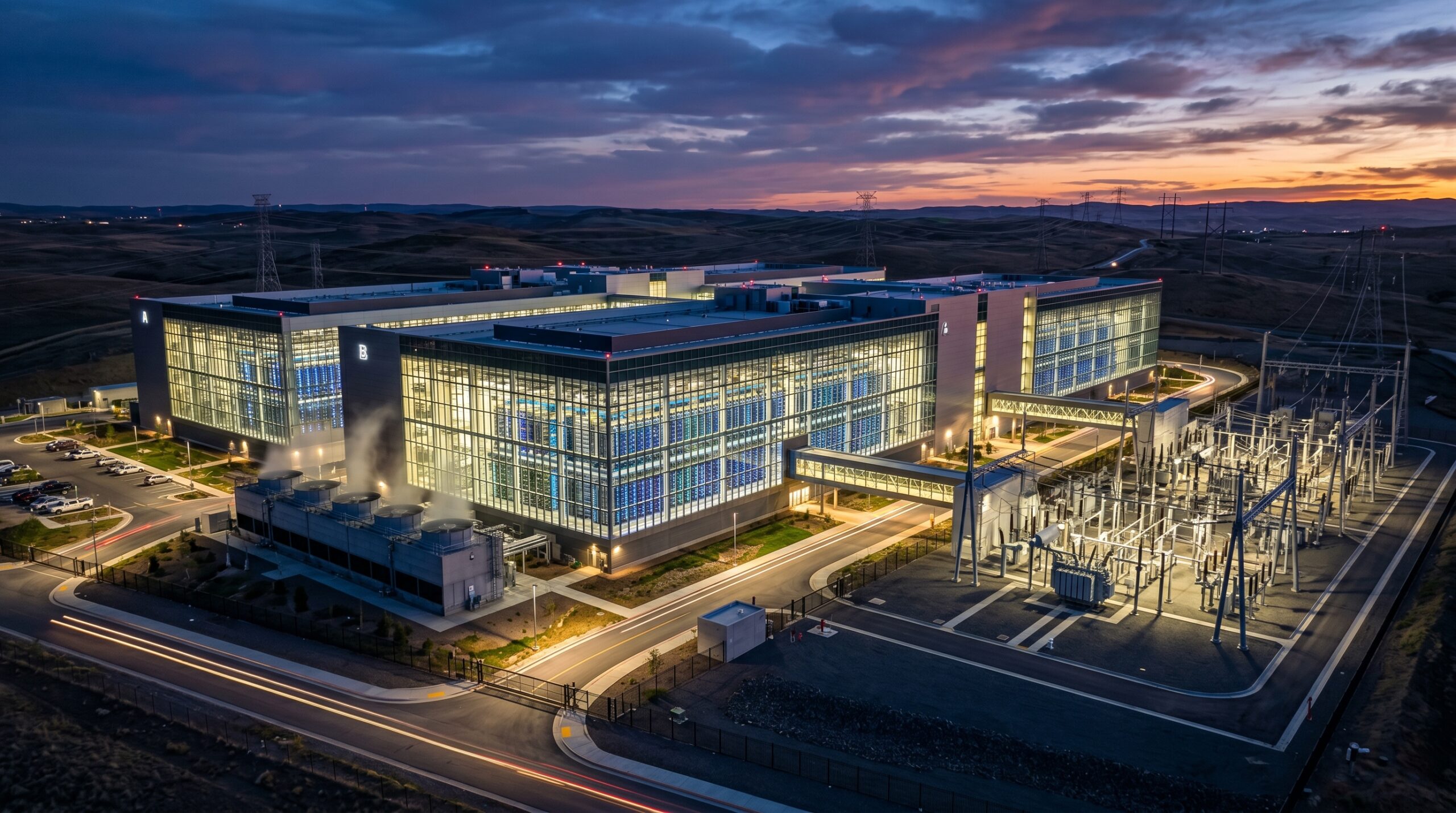
AI data centers are rapidly expanding across the United States, but growing concerns about electricity use, water consumption, and local communities are fueling opposition nationwide.
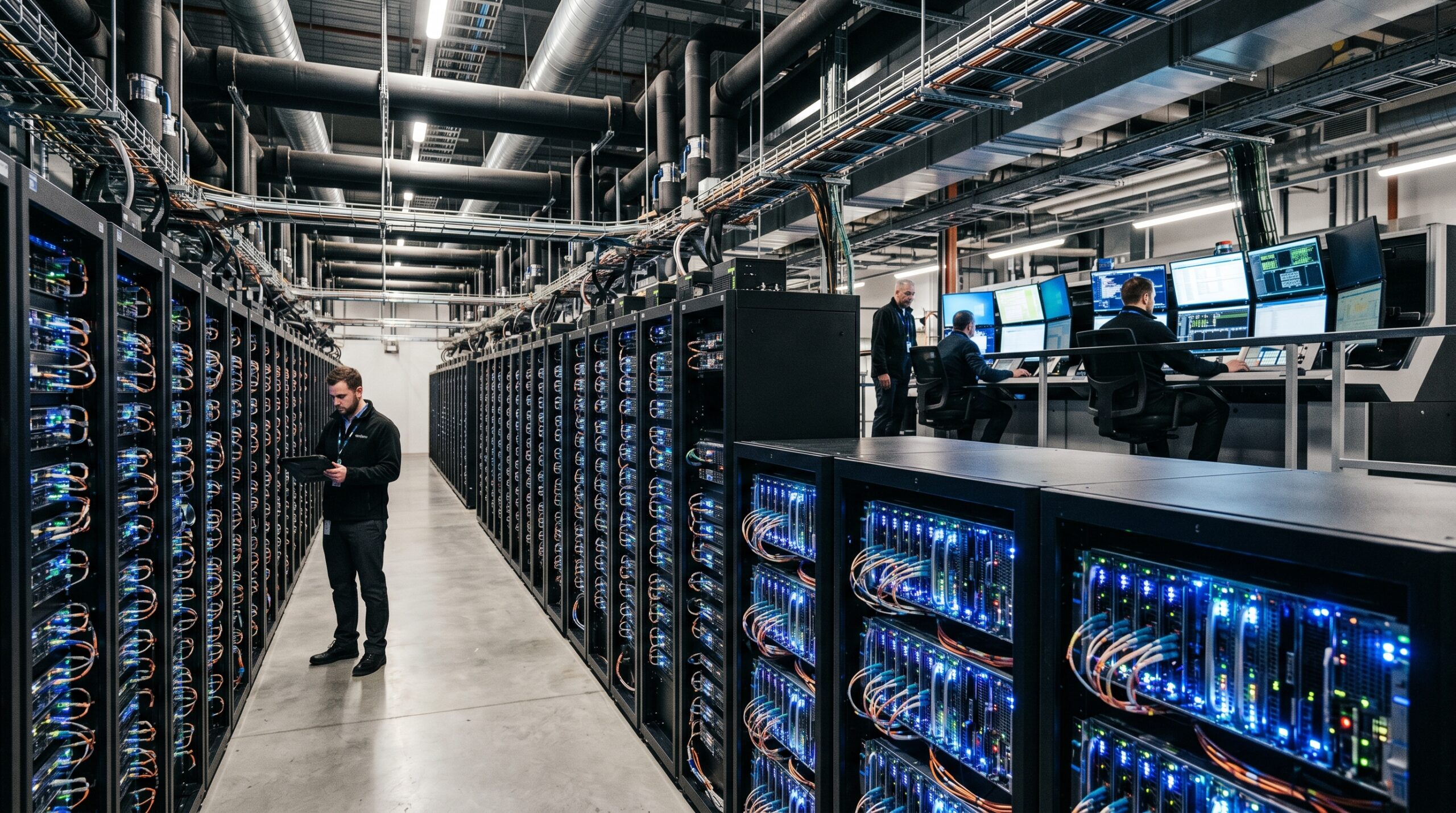
Artificial intelligence is transforming nearly every industry, from healthcare and finance to education and transportation. Behind every AI tool, however, lies a massive network of servers, processors, and storage systems housed inside data centers.
On this page
As companies race to build more AI infrastructure, communities across America are beginning to push back. Concerns about energy consumption, water usage, environmental impact, and rising utility costs are turning AI data centers into one of the country’s newest battlegrounds.
The debate is no longer just about technology. It is increasingly about how AI growth affects everyday Americans.
AI data centers are specialized facilities that house powerful computers designed to train and run artificial intelligence models.
Unlike traditional data centers, AI facilities require:
These facilities support technologies such as:
Without AI data centers, modern artificial intelligence would not function.
One of the biggest concerns surrounding AI data centers America is energy consumption.
Training advanced AI models can require thousands of high-performance processors running continuously.
As more companies invest in AI, electricity demand continues to grow.
In some regions, utilities are warning that future AI facilities could place significant strain on local power infrastructure.
Communities worry that increased demand may eventually contribute to higher energy costs.
Most people associate AI with computers and software, but data centers also require large amounts of water.
Cooling systems help prevent servers from overheating.
Many facilities use water-based cooling methods to maintain safe operating temperatures.
In areas facing droughts or water shortages, residents are questioning whether large AI facilities should receive priority access to local water resources.
Also read: Oil Prices Jumped 4% After Donald Trump Rejected Iran’s Peace Proposal
As AI infrastructure expands, some residents fear the financial impact.
New transmission lines, substations, and infrastructure improvements often require significant investment.
Many communities worry that utility customers could eventually bear some of these costs.
Even small increases in electricity bills can affect household budgets, especially during periods of inflation.
Environmental organizations have become increasingly vocal about the rapid expansion of data centers.
Although many companies promote renewable energy initiatives, critics argue that AI growth may still increase overall energy demand.
Large facilities require substantial land, leading to concerns about development, habitat disruption, and local environmental impacts.
Not every community opposes data centers.
Many states view AI infrastructure as an economic opportunity.
Data centers can bring:
States across the country are increasingly competing to attract major technology companies and AI-related projects.
As concerns grow, lawmakers are beginning to evaluate how AI facilities should be regulated.
Potential regulations include:
Policymakers face the challenge of encouraging technological innovation while protecting local communities.
The success of artificial intelligence depends on more than software.
Every major AI breakthrough requires:
The United States must determine how to expand AI infrastructure without overwhelming local resources.
This balance could shape the country’s technological leadership for decades.
Many people assume data centers only affect technology companies.
In reality, the consequences can impact:
As AI becomes more integrated into daily life, the infrastructure supporting it will become increasingly important.
An AI data center is a facility containing specialized computer systems used to train and operate artificial intelligence models.
Critics cite concerns about electricity usage, water consumption, environmental impact, and infrastructure costs.
Yes. They can generate construction jobs, technology positions, and local economic activity.
Some communities worry that growing power demand could contribute to higher utility costs in the future.
The debate over AI data centers America highlights one of the biggest challenges facing the technology industry.
Artificial intelligence promises enormous benefits, but supporting that growth requires massive infrastructure investments.
As communities, governments, and technology companies weigh the costs and benefits, AI data centers are becoming far more than simple server buildings.
They are becoming a central part of America’s conversation about technology, energy, and the future.