
Why Water System Cyberattacks Are Becoming a National Concern
When most people think about cybersecurity, they imagine hackers targeting banks, social media accounts, or large corporations. Few realize that America’s water systems have also become potential targets.
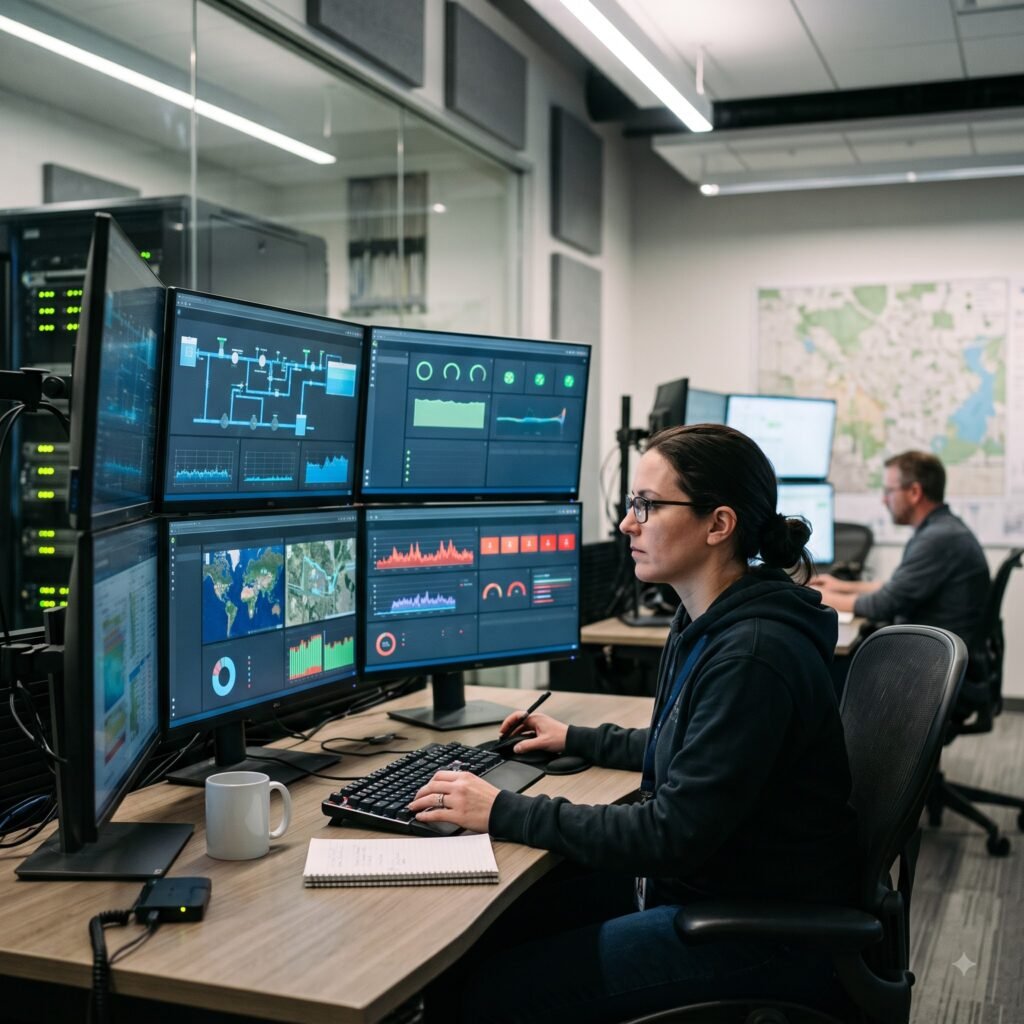
Modern water treatment facilities rely heavily on computers, sensors, internet-connected equipment, and automated control systems. These technologies improve efficiency, but they also create new opportunities for cybercriminals.
Recent investments by several states to strengthen water infrastructure highlight a growing concern among officials: water system cyberattacks are no longer just a theoretical risk—they are a challenge that communities are actively preparing for.
1. Drinking Water Systems Depend on Digital Technology
Many people assume water treatment plants operate entirely through manual processes.
In reality, modern facilities use digital control systems to monitor:
- Water pressure
- Chemical treatment levels
- Pump operations
- Storage tanks
- Distribution networks
These systems help operators respond quickly to changing conditions, but they also require strong cybersecurity protections.
2. A Successful Cyberattack Could Disrupt Daily Life
A cyberattack doesn’t necessarily mean contaminated drinking water.
However, it could interrupt normal operations by:
- Shutting down automated equipment
- Delaying water treatment
- Affecting distribution systems
- Disrupting customer services
Even temporary disruptions can create significant challenges for communities that rely on uninterrupted water service.
3. Small Communities May Face Greater Risks
Large cities often have dedicated cybersecurity teams and larger technology budgets.
Smaller municipalities, however, may have:
- Limited funding
- Older equipment
- Fewer IT specialists
- Smaller security teams
These differences can make cybersecurity upgrades more difficult, increasing the importance of state and federal support programs.
4. Water Infrastructure Is Part of America’s Critical Services
Water systems are considered part of the nation’s critical infrastructure.
Alongside electricity, transportation, healthcare, and communications, they provide services that millions of Americans depend on every day.
Protecting these systems helps ensure communities continue to receive safe, reliable drinking water.
5. Cybersecurity Is Now as Important as Physical Security
In the past, protecting water facilities focused mainly on fences, locks, and surveillance cameras.
Today, digital security has become equally important.
Water utilities are increasingly investing in:
- Network monitoring
- Multi-factor authentication
- Employee cybersecurity training
- Software updates
- Incident response planning
These measures reduce the likelihood of successful cyberattacks.
6. Artificial Intelligence Is Changing Cyber Defense
AI is beginning to play an important role in protecting critical infrastructure.
Modern cybersecurity tools can:
- Detect unusual network activity
- Identify suspicious behavior
- Respond to threats more quickly
- Help analysts investigate incidents
As attacks become more sophisticated, AI-powered security systems are becoming increasingly valuable.
7. Prevention Is Far Less Expensive Than Recovery
Recovering from a cyberattack can require:
- Equipment repairs
- System restoration
- Emergency response
- Public communication
- Operational downtime
For many communities, investing in stronger cybersecurity before an attack occurs is far less costly than responding afterward.
This is one reason governments are increasing funding for infrastructure protection.
What Can Communities Do to Improve Cybersecurity?
Protecting water systems requires cooperation between local utilities, technology providers, and government agencies.
Common best practices include:
- Regular security assessments
- Software updates
- Backup systems
- Employee training
- Emergency response planning
- Continuous network monitoring
Cybersecurity is no longer only an IT issue—it has become an essential part of public infrastructure management.
Most Americans never think about the technology that delivers clean drinking water to their homes.
Yet behind every faucet is a network of computers, sensors, and automated systems that help keep water flowing safely and reliably.
As water system cyberattacks become a growing concern, investments in digital security are becoming just as important as maintaining pipes, pumps, and treatment facilities.
For communities across the country, strengthening cybersecurity today helps protect one of the most essential public services tomorrow.
FAQ
What are water system cyberattacks?
Water system cyberattacks are attempts to disrupt or gain unauthorized access to the digital systems that manage water treatment and distribution.
Can hackers contaminate drinking water?
Modern water systems include multiple safeguards. While cybersecurity incidents can disrupt operations, treatment facilities also rely on physical controls, monitoring, and trained operators to help protect public safety.
Why are water utilities investing in cybersecurity?
As water treatment systems become more connected, stronger cybersecurity helps reduce the risk of service disruptions and protects critical infrastructure.
Are only large cities at risk?
No. Both large and small communities use digital systems, although smaller utilities may have fewer resources for cybersecurity.
