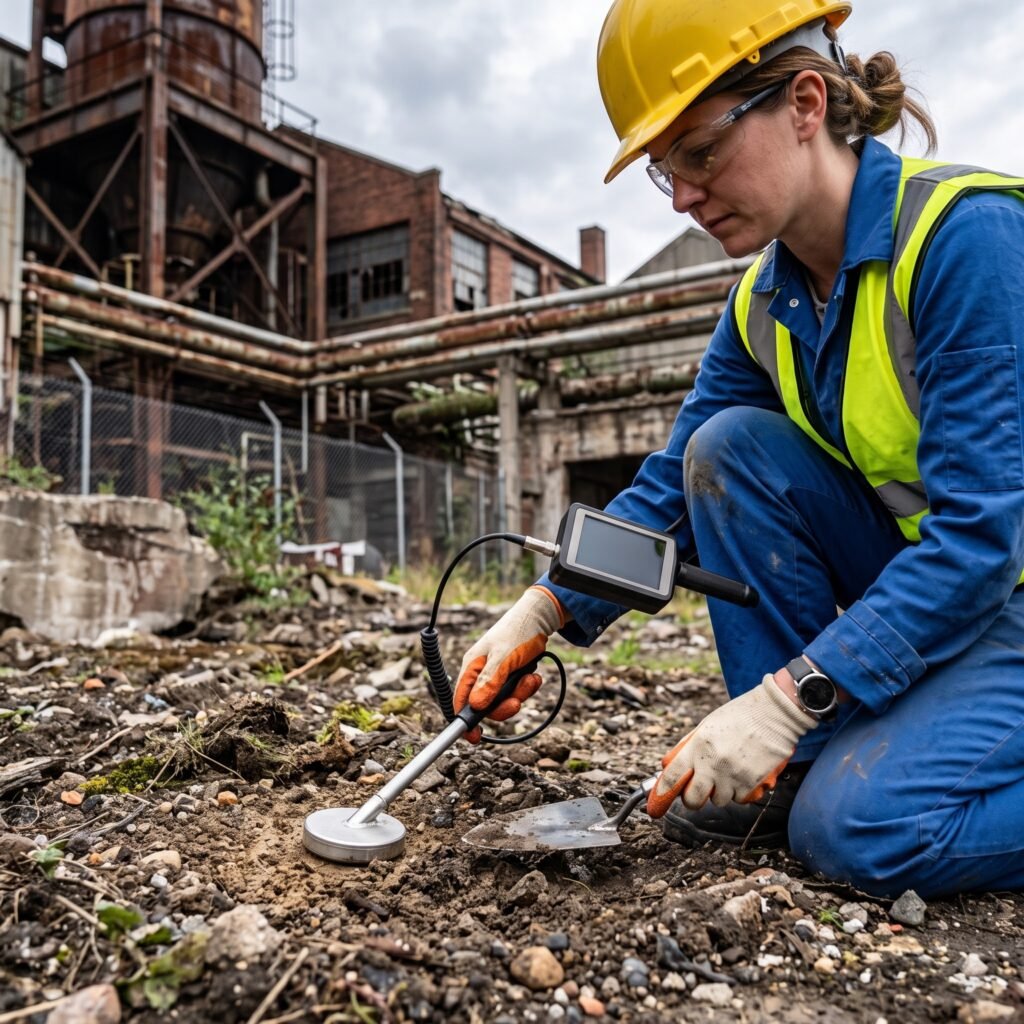
Most people think World War II ended in 1945. But in parts of the United States, its environmental legacy is still being discovered.
From radioactive materials linked to the Manhattan Project to abandoned military sites and industrial pollution, some communities continue to face contamination that began more than 80 years ago. Recent radiation investigations in Western New York are just one reminder that history can leave lasting environmental challenges.
Here’s why these issues still exist—and what is being done about them.
1. The Manhattan Project Left More Than Scientific History
During World War II, the United States launched the Manhattan Project to develop the world’s first nuclear weapons. Uranium was mined, processed, transported, and stored at facilities across several states.
At the time, environmental regulations were minimal compared to today’s standards. Some waste was buried or stored using methods that would not be considered acceptable now.
Decades later, researchers and environmental agencies continue to monitor former Manhattan Project locations for radioactive materials.
2. Old Military Bases Can Hide Environmental Hazards
Thousands of military facilities were built or expanded during World War II.
Many handled:
- Fuels
- Solvents
- Heavy metals
- Explosives
- Chemical compounds
After the war, some sites were abandoned or repurposed before modern environmental cleanup laws existed. As a result, contamination has occasionally been discovered years later.
3. Industrial Production Created Long-Term Pollution
America’s wartime manufacturing boom produced tanks, aircraft, ammunition, and countless other supplies.
Factories often generated hazardous byproducts that entered nearby soil or waterways.
Today, some former industrial sites require long-term environmental monitoring because contaminants can remain in the ground for decades.
4. Radioactive Materials Can Remain for Many Years
Unlike many chemicals that naturally break down over time, some radioactive materials remain hazardous for decades—or even much longer.
That doesn’t automatically mean nearby residents are in danger.
Modern environmental agencies regularly monitor former nuclear-related sites, and cleanup efforts are designed to reduce exposure well below established safety limits.
5. Cleanup Projects Can Take Decades
Cleaning contaminated land is far more complicated than simply removing dirt.
Scientists often need to:
- Map contaminated areas
- Test groundwater
- Measure radiation levels
- Remove hazardous soil
- Safely dispose of waste
- Continue monitoring for years
Many cleanup projects continue long after the original source of contamination has disappeared.
6. New Technology Is Finding Problems That Went Undetected
Today’s radiation detectors, satellite mapping, and environmental testing methods are far more advanced than those available decades ago.
That means contamination that was once difficult to detect can now be identified with much greater precision.
In many cases, new discoveries don’t necessarily indicate a new problem—they simply reflect better technology.
7. Communities Continue to Seek Answers
Residents living near former military or industrial sites often request additional testing when new information emerges.
Government agencies investigate reports, perform environmental assessments, and determine whether cleanup or long-term monitoring is needed.
Recent investigations in Western New York illustrate how historical records, modern testing, and community concerns continue to shape environmental research today.
Should Americans Be Concerned?
Most Americans do not live near areas affected by historical wartime contamination.
For communities that do, environmental agencies regularly conduct testing, monitoring, and cleanup efforts when necessary. Experts generally advise following guidance from state and federal health officials rather than assuming contamination poses an immediate risk.
The discovery of contamination is often the first step toward understanding and addressing it—not evidence of a widespread public health emergency.
World War II changed the course of history in countless ways, and some of its environmental impacts are still being uncovered today. While contamination linked to wartime activities remains a concern in certain locations, decades of scientific research, environmental regulation, and cleanup efforts have significantly reduced many of the associated risks.
As technology improves and historical sites continue to be studied, communities across America are gaining a clearer understanding of the past—and taking informed steps to protect future generations.